
I help companies turn existing parts or technical ideas into reliable engineering solutions — from 3D scanning and reverse engineering to CAD design, functional prototypes and technical documentation.
Many projects are covered by NDA agreements because they involve product development before market release.
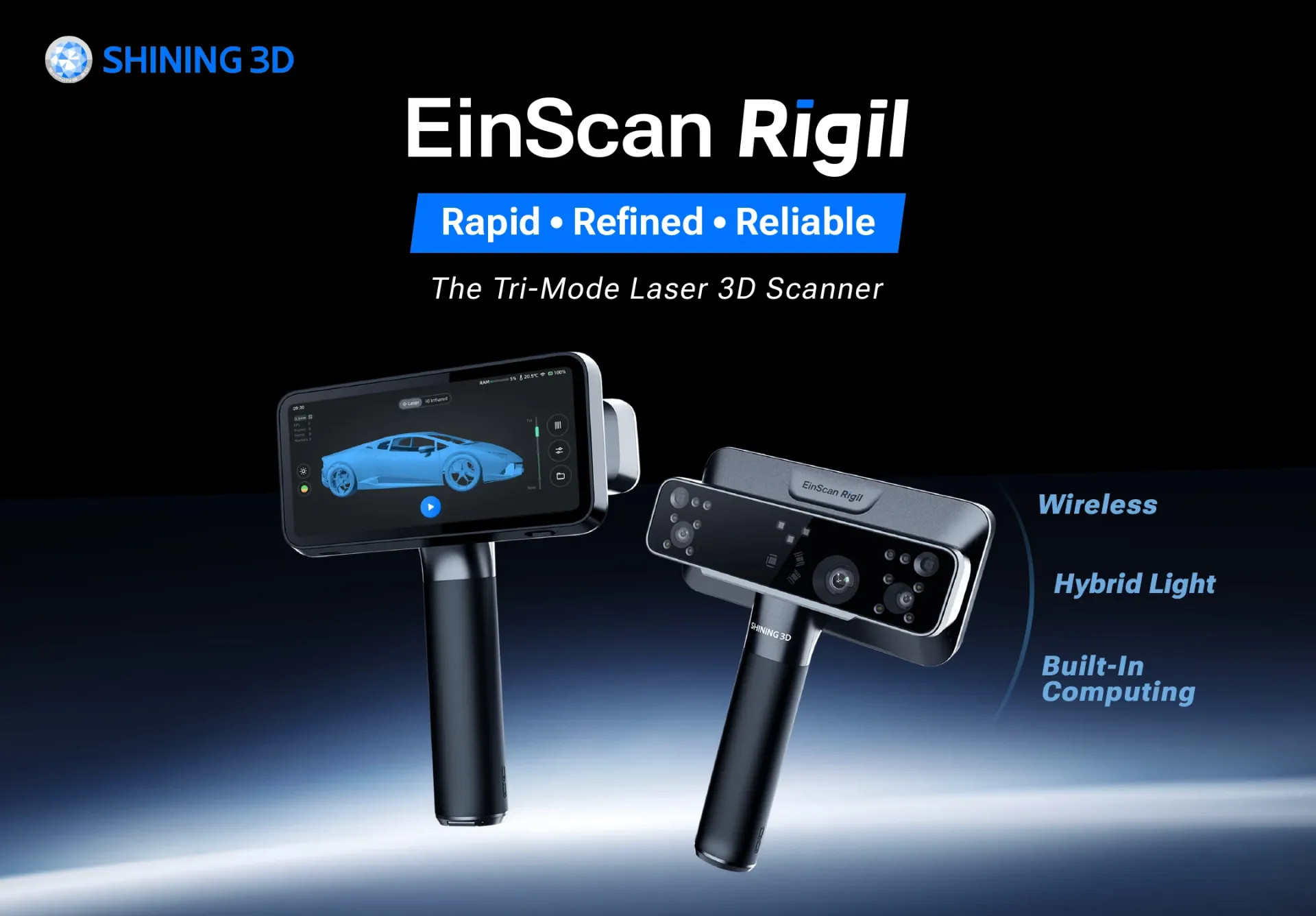
3D Scanning – EinScan Rigil
The EinScan Rigil handheld scanner allows fast and accurate digitizing of mechanical parts directly on site or in the workshop.
3D scanning is ideal for reverse engineering, design modifications and parts without existing technical documentation.
Scan data can be processed into clean CAD models suitable for manufacturing or further development.

3D Printing – Functional Prototypes
FDM 3D printing enables fast production of functional prototypes and technical parts for testing and development.
It is suitable for design verification, assembly testing and small batch production.
Additional manufacturing technologies can be arranged through subcontractors when required.
Engineering prototyping


Retail Lighting Mount – Functional Component
Designed mounting clip for retail lighting installation.
The part was optimized for small-series production and manufactured using FDM printing instead of injection molding due to production volume (approx. 1000 units).

Concept testing
Client needed before CNC machining the components test the new concept and tolerances.
Based on client's brief, we created full CAD model and handovered physical 3D printed samples for testing in real assembly, at the end we delireved full technical drawings for production.

Component no longer available on the market.
The client needed to recreate a drawer holder for an industrial freezer that was still fully functional despite its age. The original brackets supporting the heavy drawers had naturally aged, the material degraded over time and eventually failed.
Without 3D scanning — using only manual measurements — we recreated a fully functional bracket. The design respects the original purpose and functional features, while tolerances were preserved and the geometry was adjusted for FDM manufacturing.
The part has been operating at –27 °C for several years.